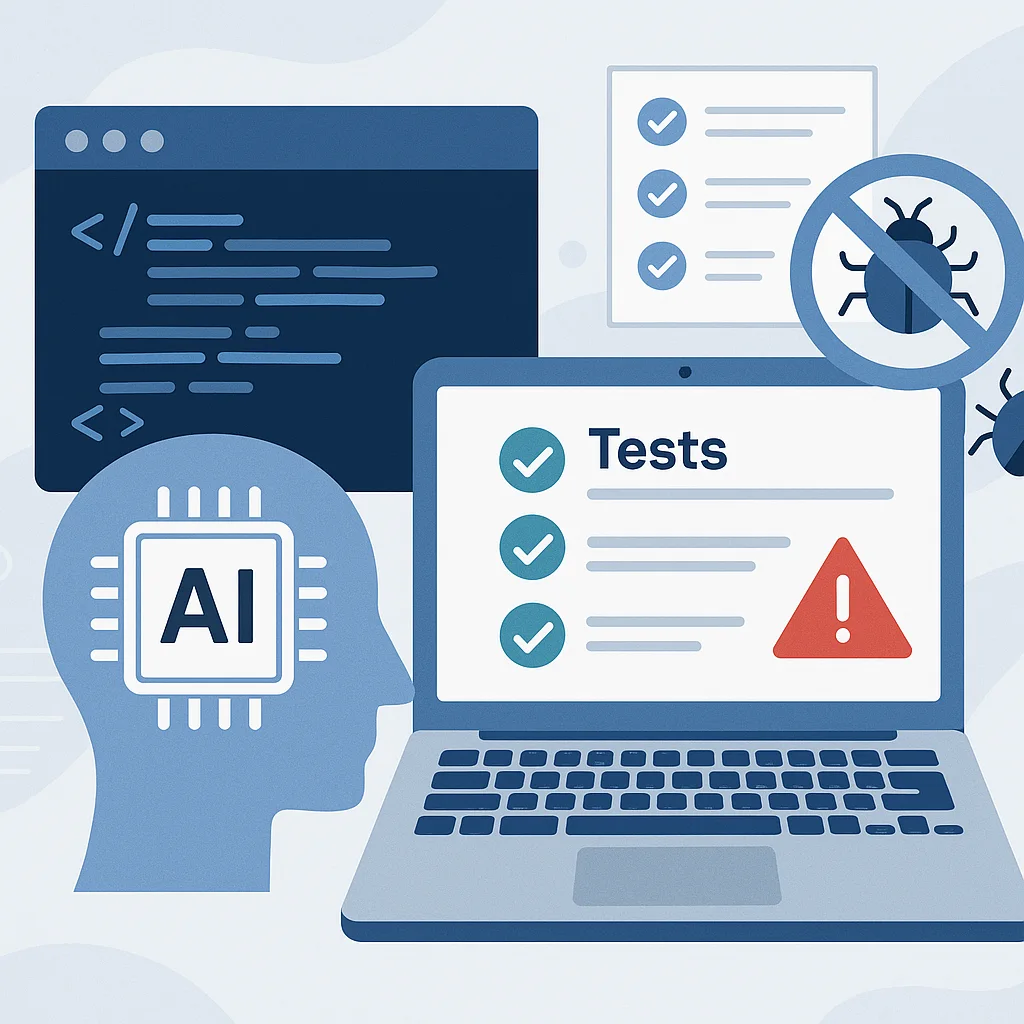

Not all bugs carry the same weight in a game. Some block progress or corrupt saves. Others affect text or audio and can wait. Release pressure forces quick decisions, while live patches compress timelines. Player expectations climb after launch and tolerance drops. This mix adds stress to QA work.
Choices create patterns in which early decisions shape later results. Structured frameworks replace instinct with clear rules. They weigh impact, risk, and timing. Teams align faster. Disputes decrease. Quality stays steady amid change.
QA Prioritization Challenges in Casino Games
Casino games vary in rules, math models, and player actions. QA teams must cover card titles like poker, table games such as baccarat, and instant formats like scratch cards. Each type has distinct risk areas. A bug that seems minor in one title may cause serious harm in another. Card logic errors can undermine fairness. Math faults can alter payouts. Rule handling errors can violate license terms. These risks grow when real stakes are involved and audits follow every update. Within this mix are products that promote free scratch off games win real money, which adds legal and trust pressure. A single defect can affect balance, reporting, and player confidence at the same time. Tight timelines make decisions harder. Not every issue can block a release.
QA must assess impact quickly and carefully. Compliance teams expect evidence. Operators expect stability. Clear prioritization helps teams address defects that threaten fairness, payouts, or regulation first, while smaller visual issues wait.
Why Traditional Bug Severity Labels Are Not Enough
Traditional labels such as minor, major, and critical look straightforward on paper. In practice, they miss context. A bug marked minor may affect many users after release. A major issue may matter less if a fast fix can ship soon. Live games change often through updates, events, and balance adjustments. Static labels do not reflect this pace. Cosmetic issues like color problems or icon misalignment rarely block play and usually carry low risk.
By contrast, defects that block progress or break rules can end sessions or damage trust. These need rapid action, even if early reports appear rare. Severity alone overlooks timing, reach, and legal impact. QA teams need more than a fixed tag. They must assess effect, scope, and urgency together.

Key Factors That Should Drive Bug Priority Decisions
Bug priority should reflect more than severity alone. Each issue sits at the intersection of business needs, user trust, and system constraints. A small defect can hurt revenue if it disrupts payment flow. A rare error can still matter if it affects rules or audits. QA teams must balance short term fixes with long term stability. Context matters as much as symptoms. Priority comes from how a bug behaves in real use, not from its label. Key factors often include:
These dimensions together enable clearer and faster decisions.
Severity vs Impact Matrices for Game QA
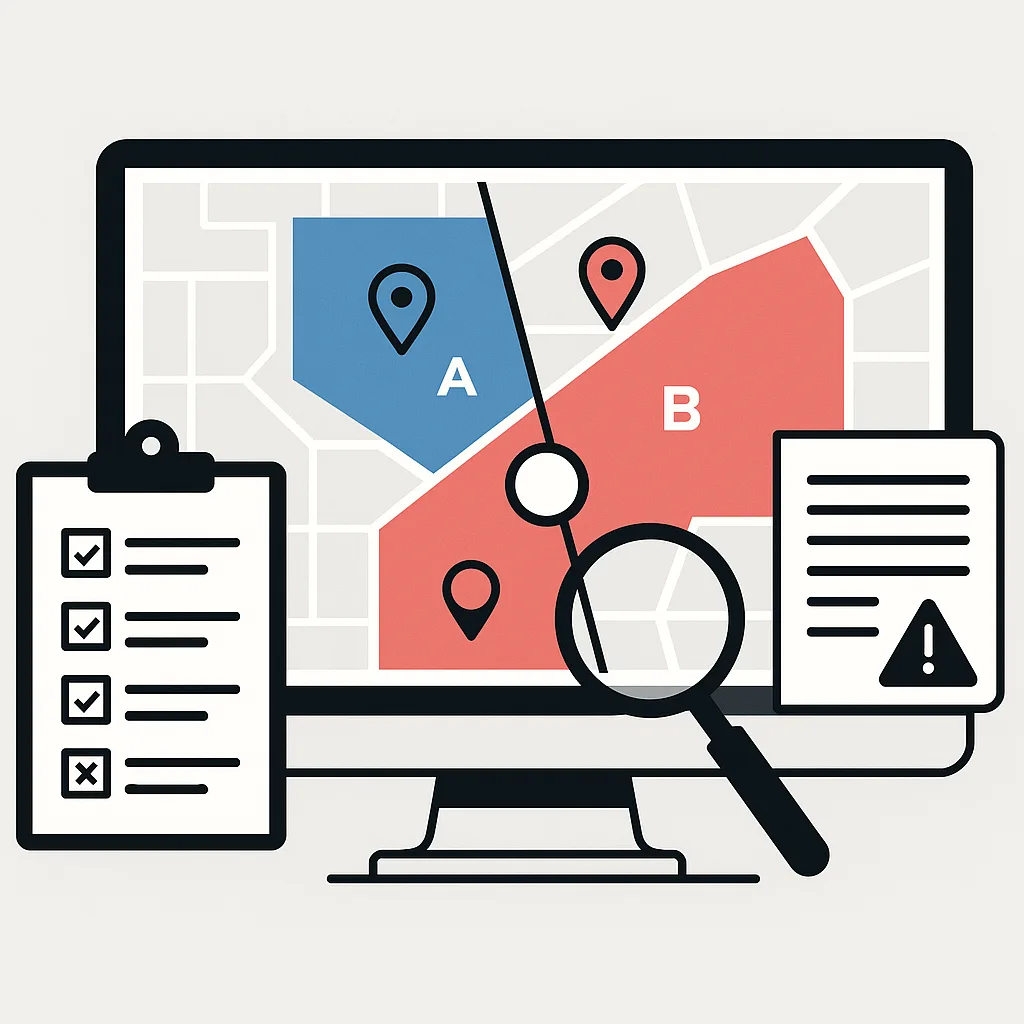
Stronger prioritization comes from combining technical severity with player impact. Severity shows how broken the system is. Impact shows how many users feel the issue and how strongly. When QA teams consider both, decisions stay balanced. A crash with limited reach may rank below a payout error that affects many sessions. Matrices make this visible. Teams place each bug into a grid and discuss priority using shared language. This reduces bias and speeds triage meetings.
This method supports calm discussion under pressure. It also helps new team members learn how priorities are set. Over time, matrices build consistency across releases.
Player-Centric Bug Prioritization Frameworks
Player-focused frameworks rank bugs based on how real users behave and where they fail. These models examine entry flows, early sessions, and repeat use. Problems during sign up or first play drive quick exits. Later issues often matter less. Early friction damages trust and reduces return rates.
QA teams therefore elevate defects that block tutorials, account creation, or first rewards. UI issues that affect purchases also rank high. A button that fails or displays incorrect values can stop payments or create disputes. These cases connect behavior data with defect reports. Priority increases when many users hit the same obstacle. This approach shifts focus from code health alone to user outcomes. It supports smarter fixes that protect retention and revenue.
Risk-Based Triage for Production Stability
Risk-based triage ranks bugs by how likely they are to occur and how much damage they can cause. QA teams look beyond the defect itself and evaluate its effect on stability. Issues tied to multiplayer sync can spread quickly and affect many sessions. Save errors threaten progress and trust. Economy faults can break balance or reporting. These problems demand early attention, even when reports remain limited. Teams assess risk using a clear process that supports fast decisions.
A basic workflow often follows:
This approach mirrors day-to-day QA work. It helps teams protect live systems amid change. A risk focus keeps releases stable while smaller defects wait.
Live Operations and Urgency-Driven Prioritization
Once a game is live, prioritization rules shift quickly. Issues now affect active users and revenue in real time. QA teams rely on monitoring tools, logs, and user reports to detect problems early. Hotfixes replace long test cycles. Speed matters more than complete coverage. After updates, multiplayer instability can appear and spread within minutes. Store failures during events can block purchases and trigger support spikes. These patterns often follow clear cause and effect, similar to karmic relationships meaning signs, where one missed check leads to broader impact.
These cases move to the top of the queue immediately. Clear escalation paths define who acts and when. QA flags the issue. Production defines scope. Live ops manage timing and rollout. Close coordination keeps responses aligned. Decisions depend on urgency, reach, and risk. This model helps teams limit damage while the service remains online.
Common Bug Scenarios and How Frameworks Apply
A progression block prevents users from unlocking the next level. Severity is high, and impact is high, so matrices place it at top priority. A risk-based view highlights it due to lost progress and support cost. A matchmaking issue causes long wait times after a patch. Severity may be rated medium, but live impact is widespread, so urgency-driven models raise its priority. A visual text error appears only in menus. Severity stays low, and player impact is minimal, so it waits. A payment UI bug shows incorrect prices. Player-centric models escalate it quickly due to trust and revenue risk. Each framework directs focus through a different lens.