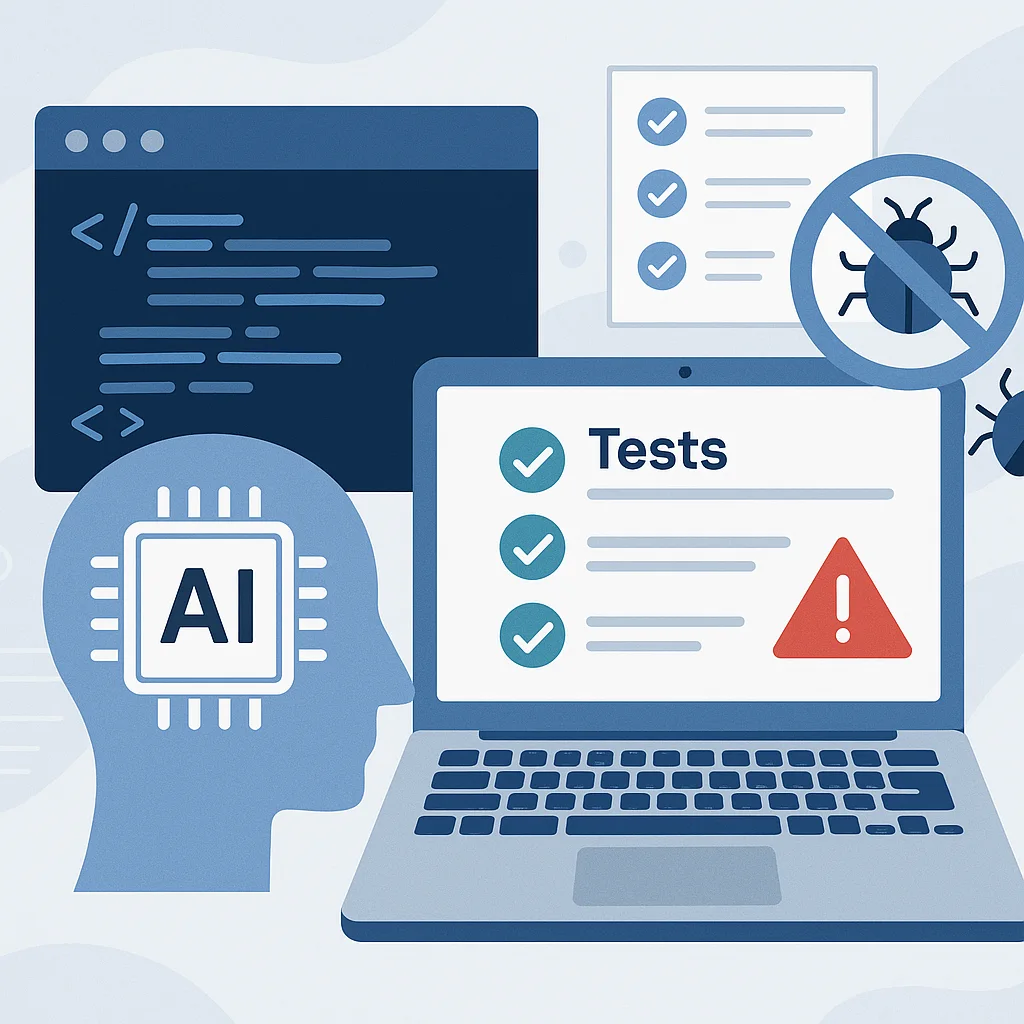


Online casino platforms now run on highly layered software systems that simultaneously manage game outcomes, player accounts, and sensitive financial data. As these platforms increasingly depend on AI-driven tools and automation, concerns about reliability, fairness, and security have become central for players deciding where to play.
In regulated markets like Virginia, trust is earned through continual verification. Online casino software is not approved once and then ignored. It is tested repeatedly, audited on a regular schedule, and monitored continuously to ensure that every spin, hand, and transaction performs exactly as required under strict regulatory standards.
As financial literacy tools become more popular, Virginia sports betting operators are also refining consumer engagement strategies, including responsible gambling tools and educational content, to support responsible bankroll management alongside entertainment spending.
For Virginia players, these overlapping protections form the basis of confidence in legal online casinos, especially as platforms expand their use of AI, data analytics, and real-time monitoring systems.
Complex Software Systems Power Modern Online Casinos
Modern online gambling platforms are built on complex software stacks designed to handle several critical tasks at once. These systems manage random game results, player authentication, account balances, and secure financial transactions without interruption. AI-driven components are often added on top to improve performance, detect irregular activity, and tailor user experiences.
Because so many functions are interconnected, a single flaw can spread across the platform. That is why regulators and operators treat casino software as infrastructure that must be proven stable and secure before players ever use it. Reliability is not assumed; it is shown through structured testing and ongoing oversight.
Initial Certification Testing Before Any Game Goes Live
Before any online casino platform or individual game can go live, it must pass initial certification testing. This process is performed by independent third-party laboratories such as eCOGRA or iTech Labs. These labs assess whether random number generators, game logic, and encryption systems meet strict technical and regulatory requirements.
Certification confirms that game outcomes are unpredictable, that payout calculations are correct, and that data security controls work as intended. Without this initial approval, platforms cannot legally operate in regulated markets. For Virginia players, this first layer of testing ensures that licensed casinos begin operations on verified technical foundations.
Random Number Generator Fairness Verification
A key focus of casino software testing is the random number generator, commonly called the RNG. RNG systems determine outcomes for games ranging from slots to digital table games. Independent testing laboratories evaluate RNG performance to confirm that results are statistically random and not subject to manipulation.
This evaluation includes reviewing massive datasets of simulated outcomes to confirm that expected probability distributions are met. If randomness fails at this stage, the game cannot be certified. For players in Virginia, RNG verification is essential because it helps ensure that outcomes are not affected by player behavior, wager size, or timing.
Encryption and Financial Security Testing Standards
In addition to gameplay fairness, testing places strong emphasis on encryption and transaction security. Online casinos handle sensitive personal data and financial information, which makes them targets for fraud and cyber threats.
Certification testing reviews how platforms encrypt data in transit and at rest, how payment systems authenticate users, and how financial records are stored. Independent labs confirm that encryption approaches meet industry benchmarks intended to protect player funds and identities.
These safeguards are especially important in regulated environments like Virginia, where operators must show that security protections remain effective as platforms change over time.
Annual and Recurring Audit Requirements
After licensing and launch, testing does not end. Most jurisdictions with regulated online gambling frameworks require annual or recurring audits. These audits revisit core systems to confirm that software still performs as originally certified.
Auditors reassess RNG fairness, validate game logic, and verify that no unauthorized changes have been made. Regular audits help ensure that platforms stay compliant long after launch. For Virginia players, recurring audits provide reassurance that fairness and security are not one-time promises, but ongoing obligations backed by regulatory oversight.
Software Updates Trigger Additional Testing Cycles
Additional testing is often required after software updates or system changes. When operators release new games, adjust existing features, or apply major patches, those updates may need to be resubmitted for review. In some cases, platforms go through multiple testing cycles per year when updates are frequent. This helps ensure that new code does not introduce vulnerabilities or change gameplay behavior.
For AI-powered systems that evolve continuously, update-driven testing plays an important role in maintaining consistency and regulatory compliance across Virginia online casinos.
Continuous Monitoring and Real-Time Oversight Tools
Beyond scheduled audits, many regulated casinos use continuous monitoring systems to observe platform behavior in real time. These systems track gameplay patterns, performance indicators, and transaction flows as they occur.
Continuous oversight enables operators and regulators to spot irregularities faster than periodic audits alone. Real-time monitoring is particularly useful in AI-driven environments where systems adjust dynamically. For players, this added layer of oversight increases confidence that issues can be detected and resolved without waiting for annual review cycles.
AI-Powered Analytics Flagging Anomalies
Advanced AI-based analytics are increasingly used to flag anomalies within online casino platforms. These tools review statistical outcomes and compare them with expected randomness distributions. Unusual deviations can indicate software defects, configuration problems, or external interference.
When anomalies appear, further investigation is automatically initiated. In some cases, specific games may be suspended until the issues are addressed. This proactive use of AI supports fairness and helps protect players from unintended system behavior in regulated markets like Virginia.
Regulatory Oversight in Virginia’s Online Gambling Market
For players in Virginia, online gambling oversight is handled by state regulators who enforce compliance requirements across licensed platforms. Legal online casinos operating in the state must use compliant software that satisfies certification, audit, and monitoring requirements.
Regulators examine testing documentation, audit findings, and operational data to confirm ongoing compliance. This oversight structure creates accountability for operators and greater clarity for players. Virginia’s regulatory approach links software reliability directly to licensing, making testing a core condition of participation in the market.
Transparency Through Audit Reports and Certifications
Independent audit reports and certifications are often published or made available to players as part of licensing-related transparency requirements. These disclosures allow players to confirm that platforms have completed required testing and continue to meet regulatory standards. Transparency builds trust by showing that fairness and security claims are supported by documented reviews rather than marketing language.
For Virginia players comparing online casinos, access to audit information strengthens confidence that licensed platforms operate under continuous scrutiny as technology and AI-driven systems continue to develop.