
In field service, software quality has a direct impact on scheduling accuracy, technician coordination, invoicing, payments, and customer communication.
Businesses that use field service software platforms like Workiz and similar tools rely on more than a checklist of features. These platforms are built around the core workflows involved in scheduling, dispatching, invoicing, customer management, and payments, which is why thorough testing and strong software quality matter so much in this category.
Why Field Service Software Creates Distinct QA Challenges
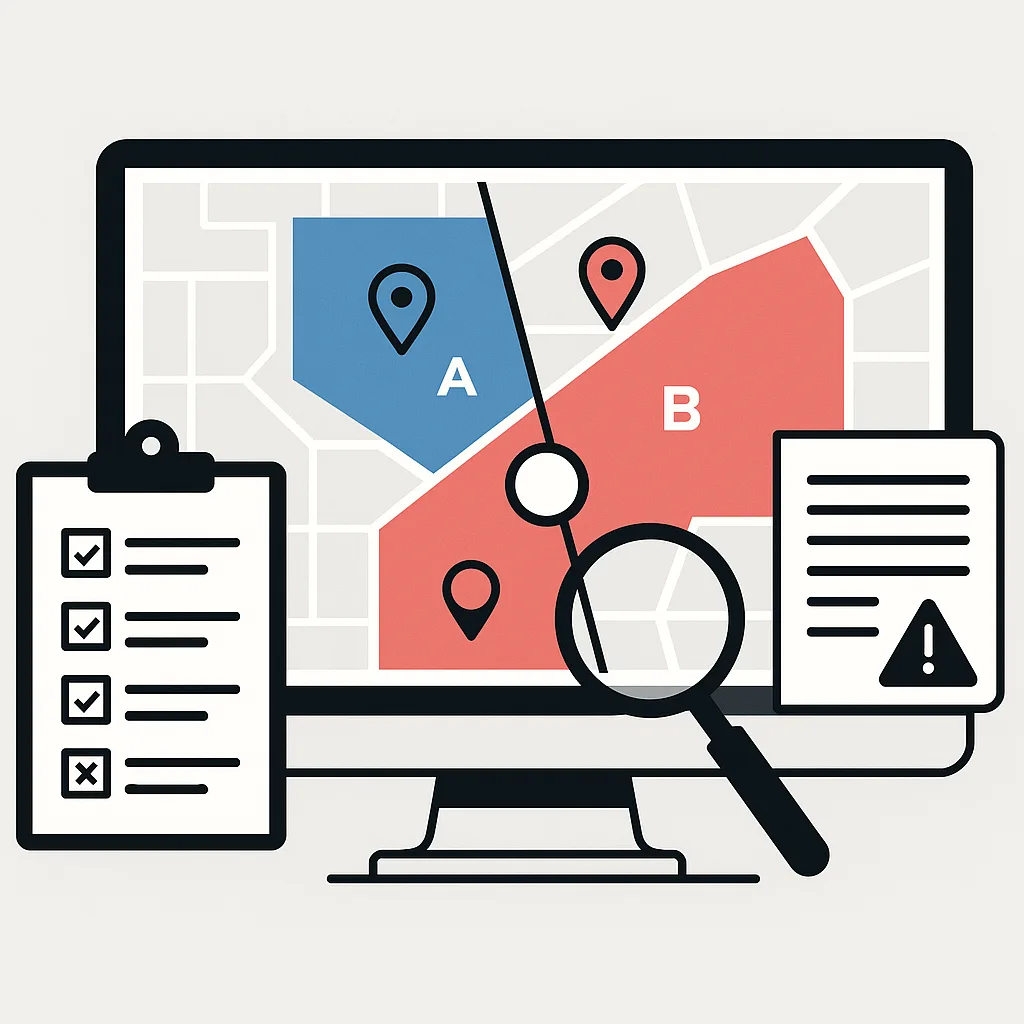
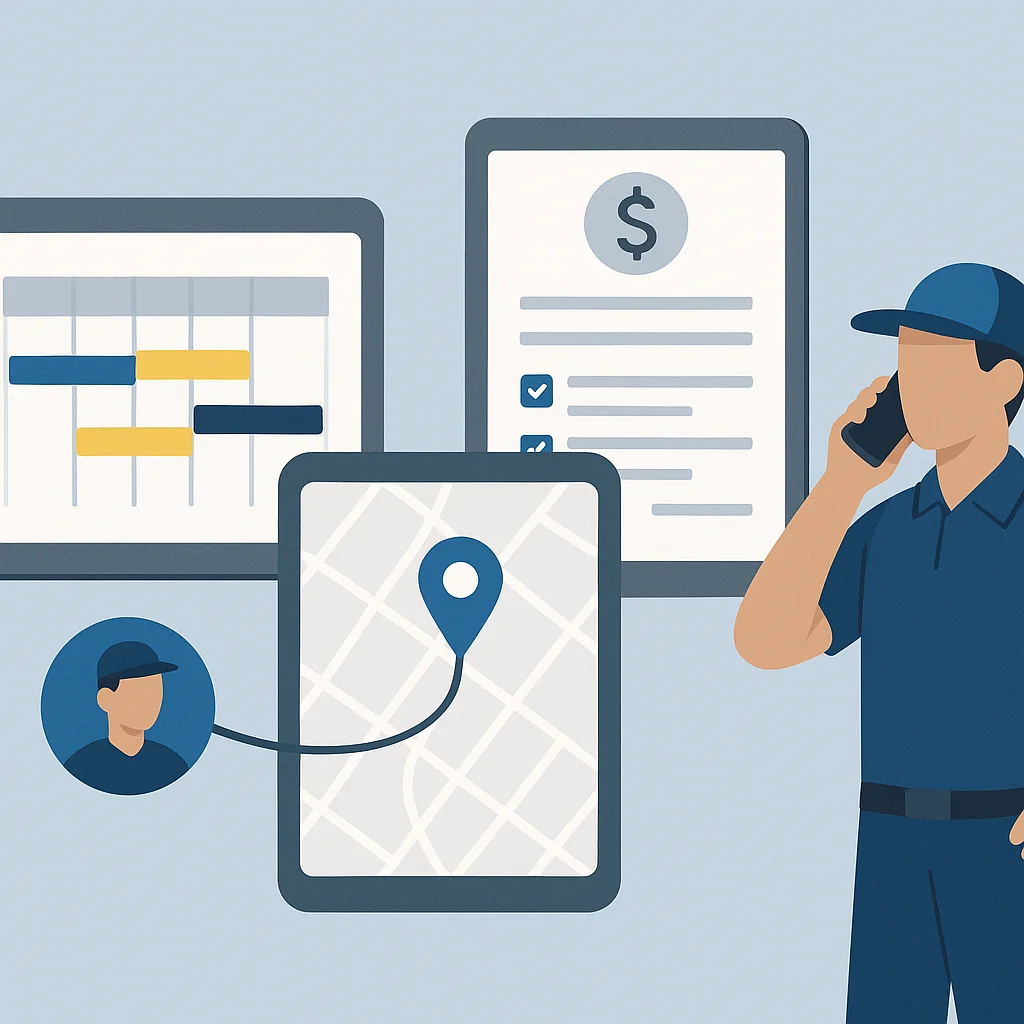
Field service platforms are challenging to assess because they do not support a single isolated function. They span office workflows, technician activity in the field, customer-facing updates, and revenue-critical processes. A defect on a content site may be inconvenient, but a flaw in scheduling logic, dispatch visibility, or payment processing can interfere with real appointments and cause immediate operational disruption. Product materials also highlight how closely connected these workflows are—from dispatching to automation and collecting payments—making end-to-end validation especially important.
Functional Testing Matters When Bugs Affect Real Jobs
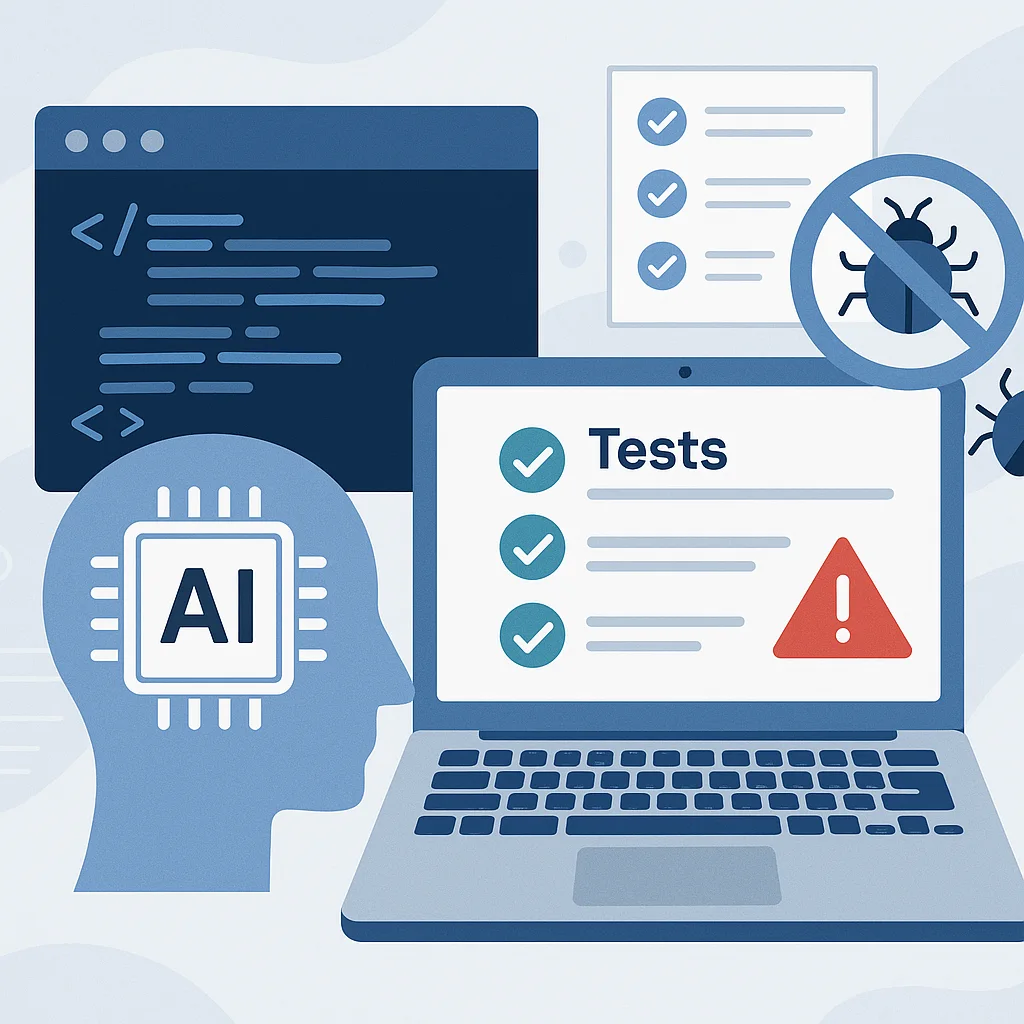
Functional testing is particularly important in this environment because the software is tied to live service delivery. Jobs must be created correctly, assigned to the appropriate technician, updated in real time, and converted into accurate invoices without the workflow breaking along the way. If appointment reminders fail, status updates are delayed, or a completed job does not move properly into billing, customers feel the impact quickly.
This is one reason software-testing principles map well to field service systems. The same concepts used for other operational platforms apply here: validate business rules carefully, test workflows across different roles, and confirm that each step behaves correctly under realistic conditions. Guidance on successful testing for CRM implementations makes a similar point in another business-software setting: once a platform becomes central to daily work, the cost of insufficient testing rises quickly.
Performance and Reliability Testing Cannot Be an Afterthought
Field service software also requires strong performance and reliability testing. Dispatch teams may update multiple jobs at once, technicians may rely on mobile devices in the field, and office staff may generate invoices or review customer history at the same time. If response times degrade during peak usage or mobile workflows become unstable, service quality suffers even if the feature set looks strong on paper.
This aligns with the broader argument that QA strengthens software performance and user trust. In field service, trust is practical, not theoretical. Users need confidence that bookings will remain intact, job updates will sync, and customer-facing processes will not fail at the worst possible moment. Performance testing, load testing, and reliability checks help protect exactly that.
User Acceptance Testing Confirms Whether The Software Works In Real Operations
User acceptance testing is especially valuable because field service software serves very different users at the same time. Dispatchers need speed and visibility. Technicians need straightforward mobile workflows. Finance and admin teams need accurate invoicing. Managers need reporting they can rely on. A platform can pass technical checks and still create friction if role-specific needs are not validated in realistic scenarios.
That is why UAT should be treated as a core part of evaluating field service software. CRM testing guidance similarly emphasizes validating how the system performs for real end users, not only whether it meets technical requirements. For service businesses, that kind of operational confirmation is essential before the platform becomes part of daily work.
What Businesses Should Evaluate From A QA Perspective
From a QA perspective, the key question is not only whether the platform includes the right modules, but whether those modules work reliably across the workflows the business depends on most. This includes usability across roles, workflow accuracy, integration stability, consistent mobile behavior, performance under load, dependable invoicing and payments, and sensible error handling. It also requires strong regression practices, because systems that manage live field operations cannot afford updates that quietly disrupt existing processes.
In other words, testing field service software is about protecting operational trust. Businesses comparing platforms such as Workiz in this space should evaluate software through that lens first. The broader principle remains the same as the idea that QA improves software performance and user trust: quality is not separate from the user experience. In field service, it is a core part of it.