

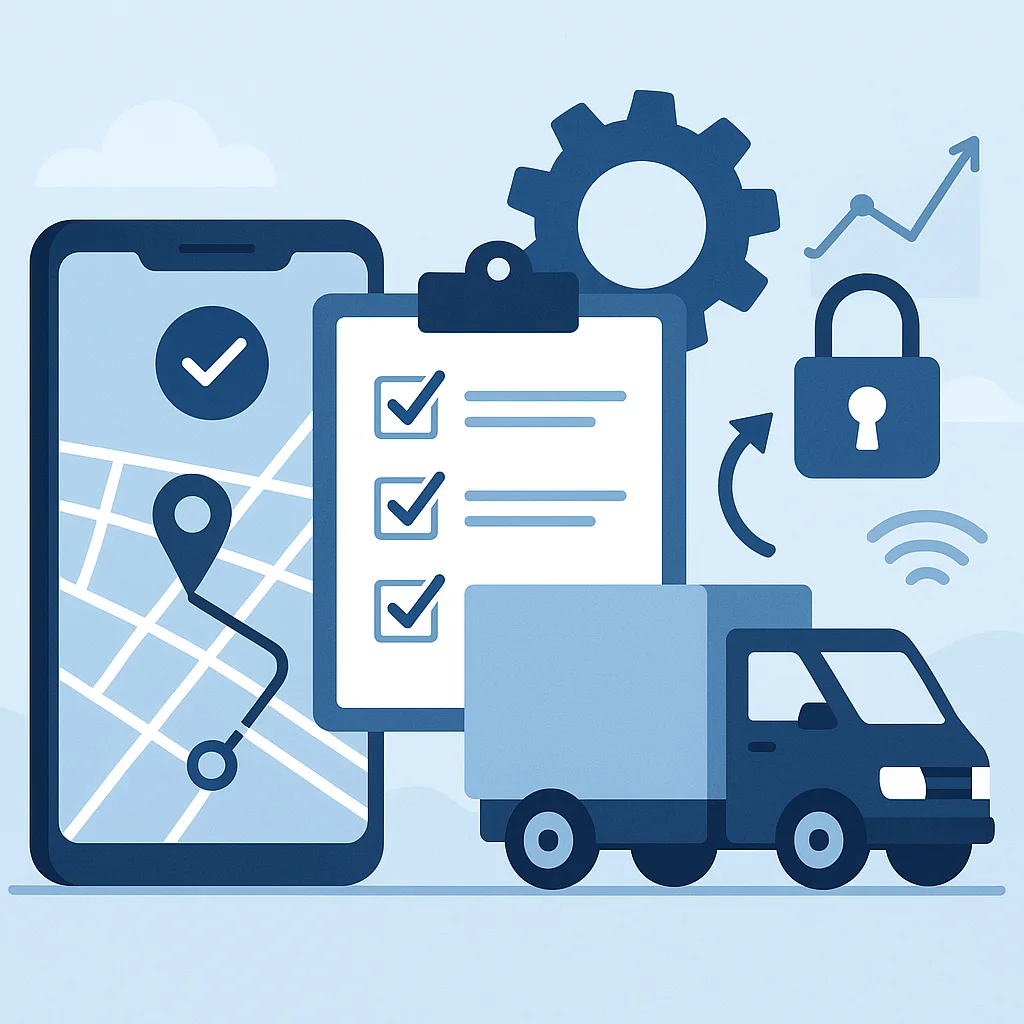
Reliability is the backbone of efficient delivery operations. As organizations increasingly rely on digital systems to manage orders, drivers, and customer expectations, delivery management software needs to perform consistently under pressure. When software fails or provides inaccurate information, the effects can quickly ripple through operations, customer satisfaction, and revenue.
This article examines what reliability means in delivery management software and how organizations can assess and maintain dependable systems.
Why Reliability Matters in Delivery Operations
Delivery workflows are time-sensitive. Routes, schedules, and customer communications depend on accurate, real-time information. If a system goes offline or shares incorrect data, it can disrupt dozens or even hundreds of deliveries within minutes.
Reliable platforms, including delivery management software, help centralize dispatching, tracking, and communication, reducing dependence on manual coordination. When systems work as intended, teams can focus on execution instead of troubleshooting.
Reliability helps build trust across the entire operation.
System Stability and Uptime
One of the key measures of reliability is system stability. Delivery platforms must stay available during peak demand, including high order volumes, seasonal spikes, and weather-related disruptions.
Recurring outages or slow performance force teams to fall back on manual workarounds. Stable systems are designed with redundancy, load balancing, and performance monitoring to reduce downtime.
High uptime directly supports consistent delivery execution.
Accurate Real-Time Data
Dependable delivery operations require accurate data moving continuously through the system. This includes order information, driver locations, delivery progress, and customer instructions.
When updates are delayed or missing, dispatchers lose visibility and decision-making declines. Customers may receive incorrect notifications, leading to frustration and increased support requests.
Reliable systems emphasize real-time synchronization across devices and users.
Scalability Without Performance Loss
As delivery demand grows, software must scale without sacrificing performance. A system that works well for smaller teams may struggle as routes, drivers, and orders increase.
Reliable delivery management software is built to support growth without slowing down. This helps maintain steady performance as operations expand across regions or service areas.
Scalability helps preserve long-term reliability.
Security and Data Protection
Reliability also extends to data security. Delivery platforms handle sensitive customer details, including addresses, phone numbers, and delivery instructions.
Secure systems rely on encryption, access controls, and routine updates to safeguard data. Security incidents can disrupt operations as seriously as technical outages.
Strong security is a core part of dependable system performance.
User-Friendly Design and Error Prevention
Complicated interfaces increase the risk of user mistakes. Reliable software is intuitive and clearly guides users through each workflow.
When dispatchers and drivers can navigate the system easily, errors decline. Clear design improves consistency and lowers operational risk.
Usability contributes to reliability.
Integration With Existing Systems
Delivery operations rarely depend on a single tool. Order management, inventory, and accounting systems often need to work together.
Reliable delivery software integrates effectively with existing platforms. Weak integration leads to data silos, duplicated effort, and manual corrections.
Smooth integration reduces potential failure points.
Proactive Monitoring and Support
Reliable platforms are supported by proactive monitoring. System performance should be continuously tracked to catch issues early.
Responsive support teams resolve problems quickly and communicate clearly with users. This limits downtime and helps maintain confidence in the system.
Support quality influences how reliability is perceived.
Flexibility for Real-World Conditions
Delivery environments are unpredictable. Traffic, weather, and last-minute changes are routine.
Reliable systems enable teams to reroute drivers, update schedules, and communicate changes immediately. Flexibility helps maintain continuity when plans shift.
Adaptability improves operational reliability.
Conclusion
Maintaining reliability in delivery management software is critical for modern logistics operations. Stability, accurate data, scalability, security, and strong support all play a role in dependable performance.
When delivery systems operate consistently, teams work with confidence, customers receive better service, and organizations are better positioned to grow in a demanding delivery environment.